Pay in installments of $6.38 with
 ,
,
 and
and

Shipping Estimate
USA
- USA
- CAN
- USA
- CAN
Ships within 48 hours · Estimated delivery Jul 1 - Jul 6
 Promo Codes Available:
For Your Every Summer RSVP, with Code: SUMMER15
Description
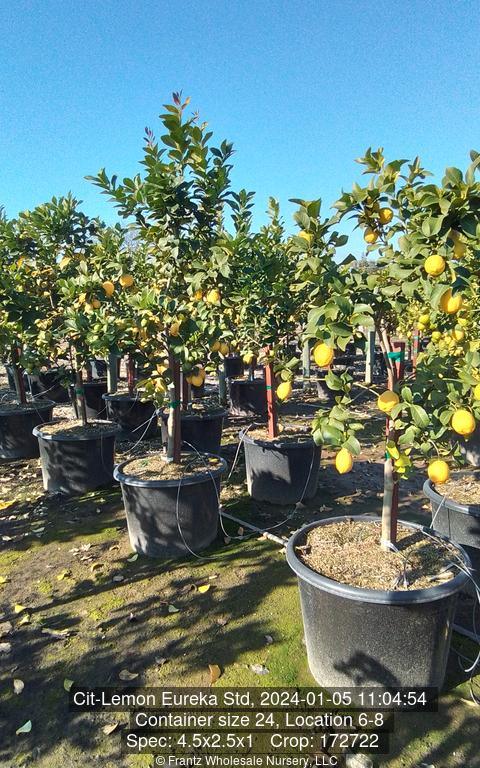
lemon potted plant Eureka Lemon TreeFresh, Year Round Lemons from Your Own Backyard The Eureka lemon tree is an excellent choice if you want fresh, tart, high juice lemons available through much of the year without relying on grocery stores. This classic Citrus limon lemon variety is prized for reliable production, bright yellow fruit, fragrant white flowers, glossy green foliage, and the satisfaction of harvesting citrus from your own yard, garden, patio, or container. Often called
Fresh, Year-Round Lemons from Your Own Backyard
The Eureka lemon tree is an excellent choice if you want fresh, tart, high-juice lemons available through much of the year without relying on grocery stores. This classic Citrus limon lemon variety is prized for reliable production, bright yellow fruit, fragrant white flowers, glossy green foliage, and the satisfaction of harvesting citrus from your own yard, garden, patio, or container.
Often called “four-seasons lemons,” Eureka trees continuously produce flowers and fruit at the same time. This makes them especially well suited to California’s Mediterranean climate, where mild winter conditions, strong sunlight, and well-drained soil help the tree stay healthy, vigorous, and productive from late winter through spring and early summer.
Why You’ll Love It
-
Year-Round Fruit Production – Eureka lemon trees are known to fruit year round in the right climate, with especially strong harvests in late winter, spring, and early summer. The nickname “four-seasons lemons” comes from their ability to carry flowers and fruit at the same time.
-
Easy Container Growing – A Eureka can grow in the ground or in a large pot, making it a smart option for patios, decks, small gardens, and growers who want the flexibility to move citrus indoors during frost or cold winter temperatures.
-
Superior Fruit Quality – Eureka lemons deliver classic sour lemon flavor, acidic tart juice, a textured thick peel for zest, high juice content, and very few seeds, making them useful for recipes, beverages, dressings, marinades, and fresh applications.
-
Low Maintenance Care – This self-pollinating citrus tree has a moderate growth rate and a spreading, open form that makes it easier to prune, harvest, and keep thriving with proper sun, moisture, nutrients, and drainage.
-
Versatile Culinary Uses – Use the fruit for lemonade, baking, seafood, sauces, cocktails, cleaning, preserving, and everyday cooking when you want bright lemon taste with a sharp, classic tart flavor, or explore other lemon trees for sale if you’d like to expand your home orchard.
What Makes It Different
Most lemon trees either have a shorter harvest window, a denser structure, or a flavor profile that is less sharp than a true Eureka. Eureka and Lisbon lemons are the two standard lemons dominating global commercial markets, differing structurally from each other and dramatically from hybrid varieties like the Meyer lemon. Compared with Meyer lemons, which are sweeter hybrid citrus, Eureka lemons are the standard tart lemon variety many shoppers recognize from grocery stores; gardeners who prefer a milder flavor may enjoy a mature Meyer lemon tree as a companion planting.
Eureka Lemon Tree has:
-
Thornless Branches – Eureka lemon trees do not have the thorns that are commonly found on Lisbon lemon trees, making them easier to handle when you prune branches, harvest yellow fruit, or shape the tree.
-
Open Growth Habit – Eureka lemon trees have a spreading growth habit and an open form, while Lisbon lemon trees are more upright with a dense canopy. That open growth supports airflow, easier fruit access, and better visibility when checking flowers, foliage, and ripening fruit.
-
California-Adapted Genetics – The Eureka lemon variety originated in Los Angeles, California in 1858 from seedlings grown from imported Italian seeds, making it a natural fit for California landscapes with full sun, mild winter conditions, and well-drained soil.
Eureka lemons also have a less prominent mammilla, or protruding nipple, compared to Lisbon lemons, and their skin is more textured. For ornamental citrus lovers, the Variegated Pink Eureka lemon tree, also known as the ‘Pink Lemonade Lemon’, features striking green and white variegated leaves, enhancing its ornamental appeal. The fruit of the Variegated Pink Eureka lemon is initially striped green and cream, turning pink and yellow when fully mature, with light pink flesh and very few seeds. A natural branch mutation of the Eureka lemon found in California around 1930 created the Variegated Pink Lemon, which produces green-and-yellow striped rinds and vibrant pink flesh colored by lycopene.
Tips For Success
-
Plant in Full Sun Location
Plant your Eureka lemon tree in the spring after the threat of frost has passed, avoiding extreme temperatures during planting. Choose a location that receives at least six hours of direct sunlight daily and has well-drained, loamy or sandy soil. For optimal growth and fruit production, Eureka lemon trees require at least 8 hours of sunlight per day, so avoid deep shade. -
Establish Watering Routine
Watering should be deep and infrequent, with a recommendation of once a week for in-ground or container plantings, adjusting based on weather conditions. Keep soil moisture consistent, but never waterlog the root zone. Eureka lemon trees prefer to be planted on a mound or sloped area to ensure proper drainage, as they do not thrive in waterlogged conditions. -
Harvest Fresh Lemons
Pick mature fruit when the peel is fully yellow and the lemon feels firm with slight give. Eureka lemons do not continue ripening after harvest, so it is worth the wait to harvest at the right stage. This variety typically fruits in late winter, spring, and early summer, making it a productive choice for home gardeners who want fresh citrus for immediate use or short-term storage.
For best planting results, space Eureka lemon trees at least six to eight feet apart to allow for proper growth and air circulation. The planting hole for a Eureka lemon tree should be as deep as the root ball and about twice as wide, ensuring the tree is planted straight and secure. Fertilize Eureka lemon trees with a balanced fertilizer monthly during the growing season, which includes spring, summer, and early fall; many gardeners also add other citrus fruit trees for sale to build a diverse backyard orchard with similar care needs.
Tree Specifications
-
Mature Size: 10-20 feet tall and wide, with pruning possible to fill the desired yard, garden, or container space
-
Fruit Characteristics: 2-3 inch diameter, bright yellow peel, tart juice, acidic flavor, thick textured skin, and very few seeds
-
Climate Zones: USDA zones 9-11, ideal for California coastal and inland regions with frost protection during colder winter temperatures, and well suited to pairing with mature trees for sale that provide complementary shade and structure
-
Pot Size Options: Available in 5-gallon and 15-gallon containers for flexible patio, deck, or in-ground planting
-
Rootstock: Grafted on disease-resistant rootstock for enhanced performance, healthy growth, and improved long-term durability, much like other fruiting options such as a pomegranate tree for extended seasonal interest
-
Sunlight: Requires at least 8 hours of sunlight per day for optimal growth and fruit production
-
Soil: Best in well-drained, loamy or sandy soil with steady moisture and strong drainage, conditions that also suit many oranges like a Valencia orange tree if you’re planning a mixed citrus grove
-
Growth Habit: Spreading, open form with a moderate growth rate and easier access to branches, flowers, and fruit
-
Fertilizer: Use a balanced fertilizer monthly during spring, summer, and early fall
Container growers in California, FL, and other warm regions should monitor pot moisture closely because citrus trees in containers can dry faster than trees planted in the ground, and some may consider adding evergreen privacy treesnearby to create a protected microclimate.
Who It’s For
Ideal for:
-
California homeowners seeking fresh citrus for their landscape
-
Container gardeners with patios, decks, or small outdoor spaces
-
Cooking enthusiasts who want premium lemons for culinary projects
-
Sustainable living advocates interested in homegrown food production who may also integrate multipurpose landscape trees like the California Pepper Tree for sale to diversify their planting
-
Growers who want a productive lemon tree with white flowers, glossy foliage, fragrance, and useful fruit, possibly paired with a graceful California pepper tree for added shade and texture in the landscape
If you want fresh lemon juice, zest, and classic sour flavor within steps of your kitchen, the Eureka lemon tree fits beautifully. It is approachable for beginner gardeners who can provide sun, water, nutrients, and frost protection, while experienced citrus growers will appreciate its vigorous production, open structure, and reliable year round harvest potential.
Frequently Asked Questions
How long before my tree produces fruit?
Grafted Eureka lemon trees can often begin producing fruit within a few years of planting, with stronger harvests as the tree matures. This variety typically fruits in late winter, spring, and early summer, and in warm climates it may continue producing flowers and fruit at the same time.
Can I grow this in a container?
Yes. Eureka lemon trees grow well in a large container or pot when they receive enough sunlight, drainage, water, and nutrients. Container growing is especially helpful if you need to move the tree indoors or into a protected location during frost or extreme winter temperatures.
What’s the difference between Eureka and Meyer lemons?
Eureka is a true Citrus limon lemon with a tart, acidic, classic lemon flavor. Meyer lemons are hybrid citrus with a sweeter, milder taste, thinner skin, and less sour juice. Eureka lemons are closer to the standard yellow lemons commonly sold in grocery stores.
How cold-tolerant are Eureka lemon trees?
Eureka lemon trees prefer USDA zones 9-11 and perform best in mild climates like much of California. Protect the plant from frost, freezing temperatures, and harsh winter exposure, especially when young or grown in a container.
Do I need special soil or fertilizer?
Use well-drained, loamy or sandy soil and avoid waterlogged conditions. Water deeply about once a week, adjusting for weather, and fertilize monthly during the growing season, including spring, summer, and early fall. If you are not sure how much sunlight, drainage, or soil depth your site provides, Yardwork can help assess the right planting location.
Ready to Start Growing?
Transform your outdoor space with a productive Eureka lemon tree that brings fragrance, white flowers, glossy green foliage, and fresh yellow citrus into your yard or patio. From tart juice and thick peel for recipes to year round beauty and homegrown flavor, this lemon tree is a practical and ornamental addition to a California garden.
Yardwork helps you choose California-adapted plants, plan the right planting depth, prepare the hole, improve soil drainage, and create the conditions citrus needs to keep thriving. Choose your Eureka lemon tree, ask about delivery options and plant guarantees, or schedule a soil testing or landscape consultation if you want expert guidance before planting.
Shipping Notes
- Free Standard Shipping on $100+ Orders to the USA.
- Except Preorder products are shipped in 48 hours.
- Delivery to the USA:
- Standard Shipping : 3-10 business days
- If time is of the essence, please consider selecting expedited delivery for faster service.
Exchange/Return Notes
- We offer a 30-day return/exchange service after receiving.
- Final sale items are not eligible for returns or exchanges.
- To process your return/exchange, please contact us at [email protected]
- Please click here for more details>>> Return & Exchange Policy